RealEstate — 2026
The Zillow and Realtracs Relationship: Strategic Implications for Brokerage Operations


The commercial architecture of residential real estate data distribution is undergoing its most significant structural shift since the mid-1990s. For years, independent brokers operated under the assumption that listing syndication was a fixed, low-cost pipeline designed to maximize consumer exposure. However, the escalating data conflict defining the Zillow and Realtracs Relationship has dismantled that stability, presenting a complex challenge for principal brokers and operations directors across the United States. What began as a localized compliance dispute in Middle Tennessee has expanded into a national legal and technological battleground over data monetization, inventory hoarding, and systemic antitrust litigation.
For elite real estate operations, this standoff is not merely an administrative issue; it is an operational risk that impacts data integrity, listing visibility, and backend workflows. When data feeds face potential blackouts, listing management workflows must adapt instantly to preserve client trust and market velocity. Understanding the mechanics of the Zillow and Realtracs Relationship allows forward-thinking brokerages to insulate their pipelines from systemic instability, build robust technology workarounds, and align their corporate strategies with the emerging realities of modern data valuation.
Deconstructing the Zillow and Realtracs Relationship and Corporate Restructuring
To understand the leverage shifts currently impacting the Zillow and Realtracs Relationship, operations leaders must examine the corporate reorganization that Realtracs executed in early 2026. Managing an expansive data network supporting over 19,000 real estate professionals across six states, Tennessee, Kentucky, Alabama, Georgia, North Carolina, and South Carolina, Realtracs recognized that legacy frameworks for MLS data syndication were inadequate for an era dominated by large-scale digital aggregation.
In February 2026, Realtracs structured its corporate architecture into three distinct operational entities:
- RT Holding LLC: The parent entity focused on long-term enterprise valuation and asset management.
- Realtracs Investments LLC: The arm dedicated to strategic capitalization and proptech deployment.
- Realtracs LLC: The core Multiple Listing Service (MLS) and product delivery company.
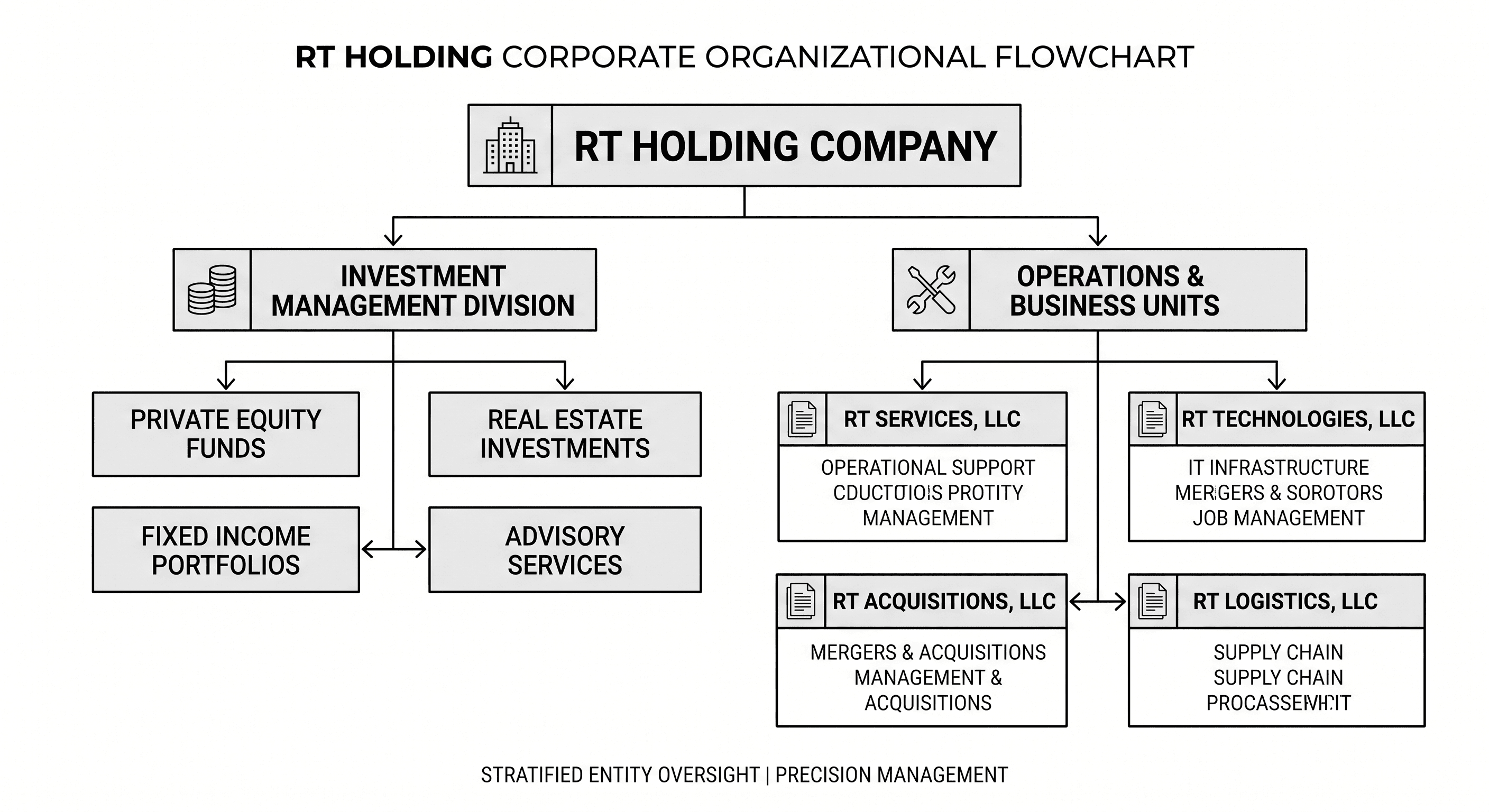
This corporate division was designed to accelerate software development while fortifying intellectual property protections for the brokers who generate the foundational asset: listing data. Following this reorganization, Realtracs challenged the decades-old industry assumption that once listing content is submitted to an MLS, it becomes a quasi-public utility available for syndication at zero cost. Realtracs leadership forcefully rejected this premise, stating that an MLS’s proper role is strictly one of technological enablement, not data ownership.
To codify this perspective, Realtracs replaced its legacy Participation Agreement with a newly drafted Brokerage Services Agreement. This contract establishes that listing brokers maintain absolute, unencumbered brokerage data ownership. Consequently, listing data may only flow through syndication channels that directly serve the economic interest or operational efficiency of the originating brokerage.
💡 Operational Insight
When evaluating listing data networks, ensure your firm's independent contractor agreements explicitly clarify data rights. If your local MLS transitions to a broker-owned data model, your backend listing management protocols must reflect that your brokerage, not the software aggregator or individual agent, retains the downstream licensing rights for all media and property descriptions.
The Shift to Use-Case Based Licensing Models
Building upon this assertion of data control, Realtracs introduced a "use-case-based license agreement" aimed at correcting a long-standing economic asymmetry within the PropTech ecosystem. For over two decades, syndication licenses failed to differentiate between the varied ways third parties extracted value from raw listing metrics.
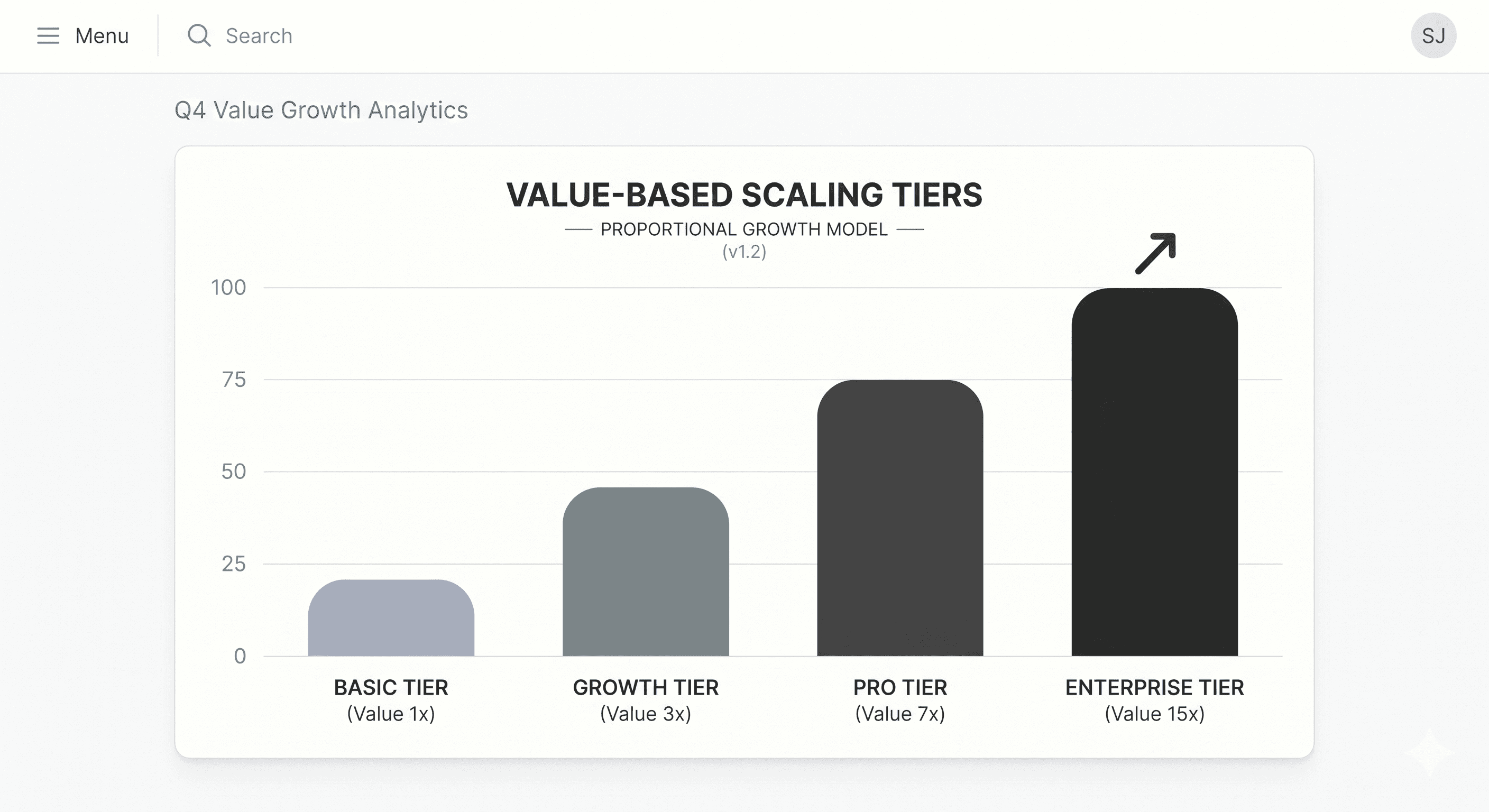
Under the framework rolled out in the spring of 2026, the financial cost of licensing data must directly correlate with the downstream commercial value it generates for the specific data consumer. A massive national public portal utilizing a data feed to power an algorithmic lead-generation empire derives exponentially greater financial utility from listings than a local brokerage powering a neighborhood search interface or a technology vendor building back-office productivity software
Local Brokerages
Local IDX website search, consumer-facing mobile apps.
Baseline operational fees with no premium commercial surcharges.
Preserves the competitive position of independent firms.
National Public Portals
Algorithmic lead generation, advertising, and market indexing.
Steep, value-commensurate fee increases tied to aggregate utilization.
Corrects macroeconomic asymmetry; rewards listing brokers for proprietary data.
This structure operates on a dynamic, scalable financial model. Realtracs leadership characterized this adjustment not as a punitive measure against dominant portals like Zillow, but as a necessary macroeconomic correction designed to compensate listing brokers for their labor, branding, and proprietary intellectual property.
The Ideological Chasm: IDX Display Rules vs. Listing Access Standards
The immediate catalyst for the friction within the Zillow and Realtracs Relationship was a direct conflict between Realtracs' updated platform regulations and Zillow's strict, consumer-facing operational standards.
On April 29, 2026, Realtracs opened its membership to real estate agents nationwide and promulgated revised IDX display rules. These updated regulations mandated that any third-party vendor receiving the Realtracs data feed must display all listings matching a consumer's search criteria, including properties previously marketed selectively within private, restricted, or in-house networks. The single exemption is if a home seller executes documentation withholding their property from broad public display entirely. Realtracs positioned this policy as an uncompromising defense of seller choice, arguing that no third-party platform possesses the authority to override the go-to-market strategy negotiated via contract between a seller and their listing broker.
This mandatory display rule collided with Zillow's "Listing Access Standards," which the portal rolled out to actively combat the proliferation of exclusionary off-market listings and the circumvention of open-market cooperation. Zillow's policy operates as an enforcement mechanism for market transparency: if a property is publicly promoted in any capacity, via yard signs, email blasts, social media, or exclusive brokerage websites, it must be submitted to a cooperative MLS within 24 hours and made widely accessible to all buyers.
If a seller or broker engages in selective public marketing while restricting the listing to an exclusive network, Zillow bans the listing from its platform entirely. Furthermore, Zillow's rules stipulate a permanent ban; the portal will refuse to host the listing even if the broker eventually decides to place it on the open MLS after a period of private exclusivity.
Because Zillow automatically suppresses listings that undergo periods of restricted marketing, the portal failed to return comprehensive search results as dictated by Realtracs' new IDX rules. Realtracs notified its members that Zillow was in direct violation of the updated agreements, pointing out that Zillow's internal algorithms had already resulted in the automated banning of dozens of legitimate Realtracs listings.
💡 Operational Insight
For operations directors managing high-volume transaction volumes, this policy collision creates significant compliance risk. If your team inputs a listing into a private network before broadcast syndication, you risk a permanent domain-level ban on Zillow. Your internal transaction operations team must audit listing timelines daily to ensure data entry matches both MLS and portal requirements without creating visibility gaps for sellers.
The National Strategic Playbook: Compass and Private Listing Networks
To accurately analyze Zillow's defensive posture, the Realtracs dispute must be contextualized within a rapidly expanding national conflict orchestrated by Compass. Zillow executives, alongside independent industry analysts, assert that the confrontation in Nashville is not an isolated administrative dispute but rather the localized execution of a coordinated national playbook designed to subvert the cooperative housing market in favor of private listing networks controlled by a corporate entity.
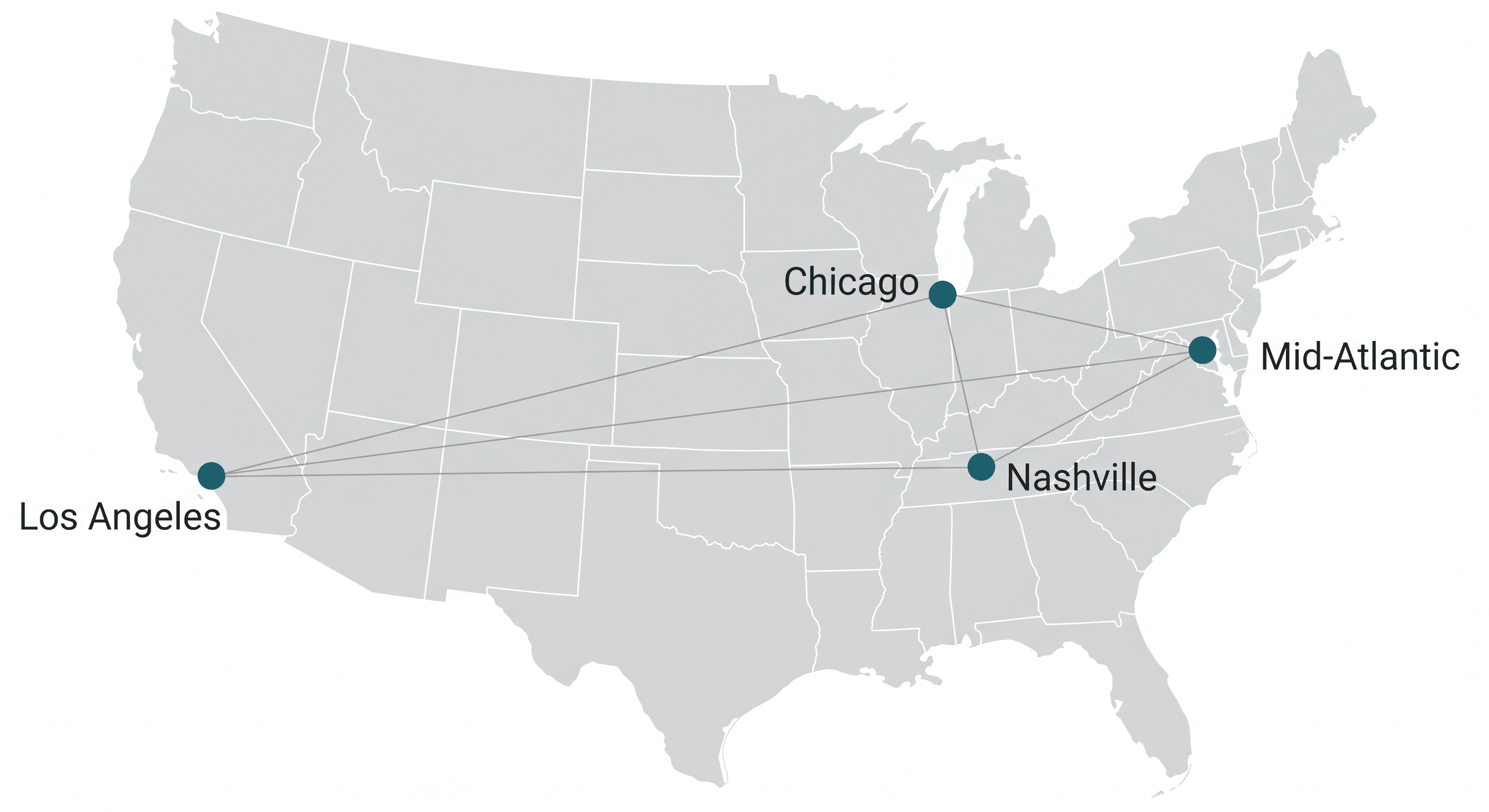
On May 5, 2026, during a first-quarter earnings call, Compass CEO Robert Reffkin stated his strategic objective unambiguously, noting the firm's explicit intent to construct a national MLS to actively compete against traditional local MLS infrastructures. This declaration followed a series of corporate partnerships over a compressed six-week window, where Compass secured strategic alliances with four influential regional MLS organizations, persuading them to open their membership architectures to agents nationwide.
- MRED (Chicago, IL) - April 24, 2026: Opened national membership; partnered with Compass, which subsidizes dues for up to 100,000 agents.
- Realtracs (Nashville, TN) - April 30, 2026: Opened national membership; partnered with Compass and United Real Estate, mirroring the MRED subsidy model.
- The MLS/CLAW (Los Angeles, CA) - May 6, 2026: Formalized partnership integration with the expanding Compass national network.
- Hive MLS (North Carolina) - May 11, 2026: Received an enforcement demand letter from Compass to enforce off-MLS database restrictions.
- Bright MLS (Mid-Atlantic US) - May 13, 2026: Signed onto the Compass partnership framework, integrating vast East Coast inventory.
The objective of this expansion is rooted in the economics of real estate commissions and the exploitation of policy loopholes. Under the Compass methodology, newly acquired listings are sequestered within a "private exclusive" phase. During this phase, the property is hidden from the open market and visible exclusively to buyers who have retained a Compass agent. By hoarding inventory, Compass engineers artificial scarcity, forcing buyers to contract with their agents simply to gain access to available housing stock.
When successful, this strategy results in a "double-ended" transaction, where the brokerage represents both the buyer and the seller, thereby capturing the entirety of the commission pool. Internal data suggests that Compass's private listings result in double-ended transactions 72% more frequently than homes listed on the open market. Zillow's Listing Access Standards, which penalize this behavior by permanently banning privately hoarded listings, pose an existential threat to this dual-agency economic model.
Mitigating Operational Risk: The MLS Grid Broker-Only Contingency
Throughout this standoff, Realtracs and local Middle Tennessee brokerages prepared sophisticated technological workarounds to ensure that, should negotiations fail and the direct aggregated feed server be down, properties could still reach the marketplace. The primary contingency relies on the MLS Grid Broker Only Export program.
The MLS Grid architecture provides an independent, decentralized mechanism for individual brokerages to bypass collective MLS syndication restrictions and route their proprietary listing data directly to chosen consumers. If Realtracs cuts the aggregate feed, an authorized broker can establish a direct data pipeline to Zillow through stringent verification protocols:
- Authentication: An authorized broker creates an authenticated account on the MLS Grid platform and verifies their specific MLS membership credentials.
- Designation: The broker manually designates Zillow as a targeted "Data Consumer" recipient.
- Execution: The broker executes a bespoke Data License Agreement authorizing the transfer.
- Activation: Once the MLS approves the request, Zillow is notified, prompted to pay any applicable transactional fees, and authorized to download the brokerage's listing data via an access token.
While this pathway ensures that sellers who demand Zillow exposure can achieve it, the transition from an automated, centralized MLS feed to thousands of fragmented, broker-initiated manual exports introduces operational friction. This friction advantages massive, technologically sophisticated brokerages capable of managing automated API feeds while disproportionately burdening independent agents and boutique brokerages that lack dedicated IT infrastructure.
💡 Operational Insight
Relying on manual data pushes across disparate networks drains administrative bandwidth. Forward-thinking principal brokers leverage fractional, tech-trained real estate virtual assistant talent to manage token provisions, audit MLS Grid compliance, and clear API sync bottlenecks, keeping listing data active across public channels without overloading your core staff.
The Socioeconomic and Legislative Backlash Against Systemic Isolation
The ideological battles over IDX rules, seller choice, and national MLS networks rest upon quantifiable economic consequences for consumers. Zillow has deployed extensive empirical research to demonstrate that the restriction of listing data generates financial penalties for home sellers.
To quantify the cost of off-market strategies, Zillow researchers analyzed over 15 million residential transactions executed between 2023 and 2025. The methodology isolated homes sold via private listing networks and compared their final transaction prices against baseline algorithmic valuations, adjusted for localized market movements at the ZIP code level. The empirical findings present a critique of the private exclusive paradigm:
- Aggregate Financial Loss: Hidden listings generated a $1.36 billion combined loss to home sellers over the three-year study period.
- Typical Price Penalty: Hidden homes sold for an average of 1.3% less than comparable open-market listings.
- Individual Monetary Impact: The typical penalty amounted to a loss of $4,230 per hidden home transaction.
- Lower-Tier Vulnerability: Sellers in the lowest price tier suffered an exacerbated 2.2% financial penalty.
- Racial Inequity Impact: Sellers in communities of color lost 1.9% of value, compared to 1.1% in majority-white neighborhoods.
This disproportionate harm has triggered regulatory concern, with fair housing advocates raising alarms that the rapid expansion of private listing networks operates as a form of "digital redlining". By restricting visibility to private networks dominated by affluent buyers, these systems exclude marginalized, first-time, and minority buyers from accessing critical housing inventory during an affordability crisis. This systemic inequity has triggered a fierce legislative backlash at the state level.
Recognizing the failures of industry self-regulation, several states have intervened to mandate public exposure. Wisconsin enacted AB 456, requiring public marketing within one business day of a listing agreement. Washington passed SB 6091, strictly prohibiting brokers from marketing listings to exclusive groups without simultaneous public marketing. Connecticut passed SB 340, mandating public advertising unless sellers sign a standardized opt-out form explicitly warning them of the financial risks of private marketing. Additionally, Hawaii, Illinois, and New York have introduced similar legislative bills (SB 2806, HB 4964, and Assembly Bill A10679, respectively) to heavily restrict exclusive marketing without concurrent public exposure.
Conclusion
The evolution of the Zillow and Realtracs Relationship is a case study in how data governance impacts brokerage operations. As the traditional real estate landscape faces inventory fragmentation, operational execution becomes a critical differentiator for independent brokerages. Successfully handling these shifting dynamics requires precise data management, automated workflows, and an agile backend infrastructure.
Brokerages cannot afford to have their listing management derailed by sudden data feed blackouts or compliance disputes between tech giants and local MLS boards. Isolating your business from this systemic volatility requires structured operational pipelines that preserve listing visibility and maintain compliance across all platforms. Partnering with a dedicated B2B real estate operations agency ensures your backend data pipelines, token authorizations, and listing protocols remain resilient, allowing your agents to focus entirely on production and scale.

Market Intelligence to Your Inbox
Receive curated analysis of the global HNW real estate market, delivered every Tuesday.