
INSIGHTS & PERSPECTIVES

Navigating the Future of
Real Estate Systems

Expert analysis, technical deep-dives, and industry perspectives on data architecture and platform integration.

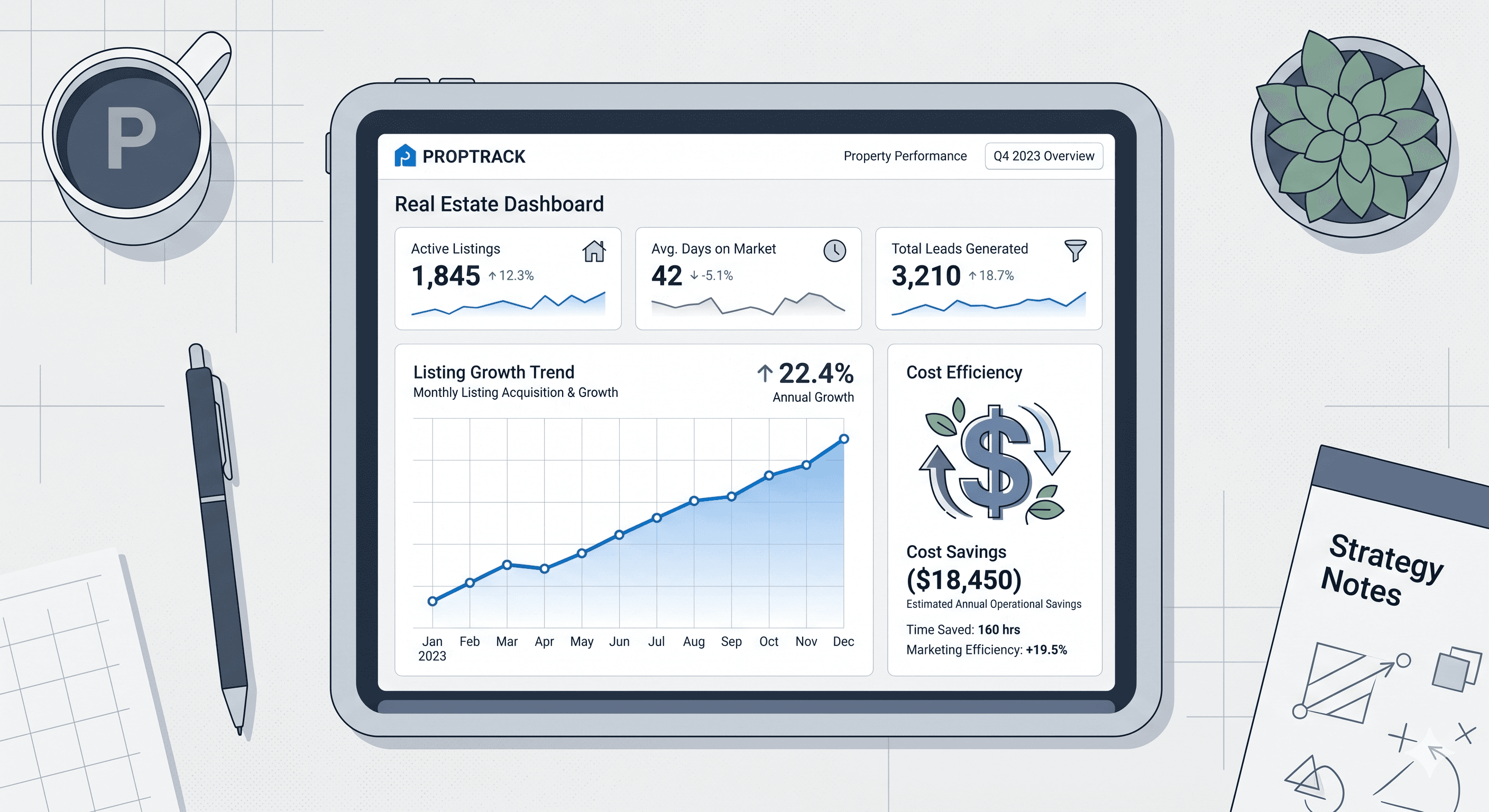
Modern analytics dashboard illustrating cost savings through affordable MLS listing management for brokerages.
FEATURED
May 23, 2026Brokerage Operations

Why Smart Brokers Choose Affordable MLS Listing Management Over In-House Hires

Why Smart Brokers Choose Affordable MLS Listing Management Over In-House Hires Margin compression is the silent threat eroding profitability in modern real estate brokerages. Every dollar that’s tied up in fixed overhead is a dollar not available to invest in growth, or in hiring agents, or in profit margins.” The core of this administrative bottleneck lies in the traditional method of syndicating property data, which involves using permanent, in-house staff on a fixed salary to handle fluctuating listing volumes. In response, leading brokers are seeking to increase operational efficiency to lift margins and accelerate time to market. They’re cutting bloated payrolls in favor of affordable MLS listing management. Brokerages are pushing listings through faster, enforcing stricter compliance, and dramatically cutting overhead by moving away from fixed-cost human capital to highly systemized, precision-engineered pipelines. If your brokerage still uses an in-house W-2 employee to manually enter listing data, you’re probably paying too much for a sub-optimized, rigid workflow. It’s time to move beyond old hiring models and build scalable infrastructure. Hiring an internal listing assistant feels like the logical next step for a growing brokerage, until you rigorously break down the unit economics. Brokerage owners often calculate the cost of an employee purely by their base salary, ignoring the compounding expenses of maintaining human infrastructure for a task that is inherently transactional. The True Cost of W-2 Employees: A Breakdown: A full-time in-house listing coordinator typically makes $3,000 to $5,000 per month in base salary. But the real cost of the money is much higher than the gross paycheck. When auditing operational expenses, brokerages must account for: Payroll Taxes and Benefits: FICA, State Unemployment Insurance (SUI), Workers’ Compensation, and, if there are health benefits, another 20% to 30% more than the base salary. Software and Licensing Dues: Independent MLS login credentials, transaction management software seats (think SkySlope, Dotloop), and dedicated hardware all add up to another several hundred bucks a month. Management and Training Time: The invisible cost of training a new hire, managing their daily output, and dealing with turnover drains hundreds of hours annually from managing brokers. The Problem with Fixed Costs in a Variable Market: The real estate market is very volatile and seasonal. Your brokerage workload bounces between the spring market peak and the holiday season slowdown, but your fixed payroll stays painfully static. This structural flaw leads to major operational inefficiencies: Overpaying during low season: In December, when the listing volume falls 40%, you continue to pay 100% of your assistant’s salary for downtime. Overwhelmed during peak volume: In May, when your inventory rises, one assistant is not enough. Operational Insight: Industry data from the National Association of Realtors (NAR) continually points out that brokerages with high fixed overhead struggle the most during market contractions. Converting backend operations from fixed payroll to variable, demand-driven costs is the fastest way to recession-proof your brokerage’s P&L. The core shift happening across elite, modern brokerages is the transition from managing people to deploying systems. Affordable MLS listing management fundamentally reorganizes how brokerages handle backend data entry. Eradicating Payroll for Precision Output: Instead of absorbing a flat $4,000 monthly expense regardless of output, you shift to a strict pay-per-listing model. If you process 5 listings in a slow month, you pay for exactly 5. If you process 50 listings during the spring rush, you pay for exactly 50, without ever needing to interview, hire, or train temporary staff. What this optimized infrastructure unlocks for brokerages: Absolute Cost Control: You only deploy capital when a revenue-generating event (a new listing) is initiated. Instant Scalability: A systemized vendor can absorb a 500% increase in listing volume overnight. An in-house assistant cannot. Downtime Removal: Your employee’s break times, illnesses, and vacation periods are your responsibility. However, you will be billed strictly for the end product. Building a Systemized Listing Pipeline Affordable MLS listing management is not simply about outsourcing; it is about upgrading to a precision-engineered workflow. Dedicated listing teams utilize advanced tech stacks to extract data from intake forms, cross-reference public tax records, optimize media assets, and push data live to the MLS with zero friction. It removes the guesswork and variability of human execution. Pro Tip: When auditing your current listing workflow, track your "Cost Per Listing" (Total Monthly Assistant Cost ÷ Total Monthly Listings). Brokers are often shocked to realize they are effectively paying $150 to $200 per listing internally, a cost that can be reduced to $15 with the right operational partner. High-performing brokerages do not just cut costs; they obsessively optimize their operations. While reducing overhead is a massive benefit of affordable MLS listing management, the operational speed and strict accuracy it provides are what truly drive brokerage growth. Accelerating MLS Activation Times: In real estate, speed to market directly impacts Days on Market (DOM) metrics and client satisfaction. An in-house assistant juggling phone calls, agent questions, and office management will invariably experience delays in data entry. Professional listing coordination teams operate in a vacuum of deep work. The company can complete listing contracts, analyze the property information, organize photos in high resolution, and publish listings within moments, compared to a distracted internal employee who does the same task. Bulletproof Compliance and Quality Control Assured: The local MLS boards maintain strict rules about data entry, photo watermarks, public remarks, and timely status updates. In cases such as the National Association of REALTORS® Clear Cooperation Policy and RESO Guidelines, brokerages can suffer significant fines, usually between hundreds or even thousands of dollars. A standardized listing management system provides: Compliance Checks Embedded in the System: Each field is checked for MLS rule compliance (CRMLS, Bright MLS, etc.) prior to posting to the MLS. Standardized Quality: Consistent formatting of public remarks, exact mapping of room dimensions, and perfect photo sequencing. Seamless Revisions: Price reductions and status changes are executed instantly via a ticketing system, eliminating the risk of fines for delayed updates. To clearly illustrate why systems outperform traditional staffing models, brokerages must look objectively at the risk and scalability metrics associated with both paths. The verdict in modern real estate tech is clear: fixed staffing models are a liability. The Scalability Gap: When comparing an internal hire to affordable MLS listing management, the most glaring disparity is scalability. Minimizing Risk through Process-Based Workflows: Any human error that comes from entering data manually is solely the responsibility of the agent who made the mistake. If they enter the incorrect school district, calculate the wrong square footage, or forget to attach the lead paint disclosure form, the blame lies with the broker. By leveraging a specialized listing management service, brokerages transfer this manual execution to a system governed by standard operating procedures (SOPs) and multi-tier quality assurance protocols. Operational Insight: The most significant bottleneck for boutique brokerages attempting to cross the $50M to $100M annual production threshold is administrative debt. Transitioning to a variable-cost listing model immediately relieves this pressure, allowing management to focus entirely on agent recruitment. The decision to invest in affordable MLS listing software is more than cost savings – you are transforming the operational infrastructure of your company. It acts as a major growth driver, allowing you to recruit top-notch real estate agents. Standardizing Workflows Across the Brokerage: A strong brand is consistent, no matter the volume of activity. From 10 to 150 listings a month, all of the properties need to be posted equally polished. Systemized listing coordination ensures operational clarity. Every listing follows the same high-performance pipeline, featuring perfect photo formatting, accurate syndication to portals, and flawless compliance documentation. Freeing Agents for Revenue-Generating Activities: Agents are revenue generators, not data entry clerks. When an in-house assistant is overwhelmed, agents often end up picking up the administrative slack, spending their evenings resizing photos or struggling with MLS drop-down menus. By outsourcing this to a precision-engineered listing service, brokerages provide their agents with a massive value proposition: Total elimination of administrative desk-time. More hours dedicated to prospecting, conducting listing presentations, and negotiating contracts. A frictionless, concierge-level experience that makes the brokerage highly attractive to competing top producers. If you are ready to replace expensive, rigid in-house hires with a lean, scalable system, PrimeRealOps delivers operational excellence tailored specifically for high-performing real estate brokerages. We do not just process data; we act as the tech-forward operating system for your back office. Why pay an in-house assistant $4,000 a month when you can get precision-engineered listings processed for exactly $15 per file? Our Elite Listing Management Tiers: We offer structured solutions designed to match your exact operational needs without the bloat of traditional salaries: Pro Tier: $15 per listing: High-speed, highly accurate MLS input complete with rigorous compliance checks and data validation. Prime Tier: $39 per listing: Comprehensive, full-service listing management, including unlimited updates, status changes, photo re-sequencing, and document uploads. With PrimeRealOps, there are no salaries, no hidden overhead, and zero inefficiencies. You scale instantly without ever conducting another interview, paying only when you have active listings to process. Conclusion: The real estate industry is rapidly evolving, and the brokerages that will dominate the next decade are those that mercilessly eliminate inefficiencies and automate their backend operations. Clinging to the outdated model of paying a fixed salary for data entry restricts your agility and eats into your margins. Affordable MLS listing management is no longer an optional luxury; it is a critical competitive advantage that allows you to reduce overhead, increase speed to market, and scale without limits. Stop building your operations around people and start building them around systems. Ready to cut costs and engineer a faster, more profitable brokerage? Explore our scalable Listing Management Services and transform your operations today.

Read Featured Insightarrow_forward
Minimalist CRM dashboard showing fast real estate lead conversion and calendar appointments.
Sales & Leads
May 29, 2026Vicky Thakkar

Why You Need to Hire an Inside Sales Agent in Tennessee

In the real estate sector, inbound lead intent decays by the minute. A frequently cited lead response study by MIT and Harvard Business Review found that calling a prospect within the first 5 minutes of their inquiry increases the probability of qualifying that lead by 21 times compared with waiting 30 minutes. If you are running a high-volume brokerage or top-producing team in Nashville, Memphis, or Knoxville, leaving an inbound Zillow or website lead to wait for an hour is equivalent to giving your commission directly to another company. To plug this revenue leak, modern brokerages must systemize their front-end communications. When you decide to hire an Inside Sales Agent in Tennessee, you instantly transform a reactive, agent-dependent follow-up process into a structured, conversion-optimized pipeline. This guide breaks down the operational mechanics of speed-to-lead, the exact workflows an Inside Sales Agent (ISA) manages, and how dividing labor between prospectors and closers allows elite real estate teams to scale aggressively without burning out their top producers. In real estate operations, "speed-to-lead" is not just a buzzword; it is the primary metric that dictates pipeline velocity. The first professional to engage a prospective buyer or seller typically wins the relationship. The National Association of Realtors (NAR) reports that 78% of buyers end up working with the first agent to respond, according to its survey. In your CRM, the consumer is actively answering when an inbound question appears. They have their smartphone in hand, are checking out properties, and they're incredibly focused on finding the perfect real estate deal. If your response time stretches beyond five minutes, several operational breakdowns occur: The prospect continues searching: They will click on another listing and submit another form to a competing brokerage. Intent cooling: The dopamine hit of finding a potential dream home fades, and the prospect returns to their daily tasks. Brand erosion: A delayed response silently signals to the high-net-worth client that your team lacks urgency and operational discipline. Operational Insight: In Follow Up Boss or KVCore, use Operational Insight to monitor your team's "Time to First Action" metric. Unless you have a system to make appointments and the average response time is over 5 minutes, it's more like luck. Why? By employing a dedicated ISA, you guarantee that an operational firewall sits between your inbound marketing spend and the chaotic schedules of your field agents. The ISA's sole directive is rapid engagement, ensuring no lead sits idle while your agents are navigating traffic or conducting property tours. A common misconception among independent brokers is that an ISA is merely a telemarketer reading from a static script. In reality, a highly trained ISA operates as a front-line revenue engine. They utilize specialized conversational frameworks to filter out casual window-shoppers and elevate highly motivated, pre-qualified buyers to your agents' calendars. When you hire an Inside Sales Agent in Tennessee, they take ownership of the following critical workflows: Instant Lead Response: Tracking inbound channels (Zillow Premier Agent, Realtor.com, Facebook Lead Ads, Google PPC) and initiating automatic SMS, phone calls, or emails within 60 to 120 seconds of submitting leads. Deep Lead Qualification: Converting a qualified call to an electronic hard calendar invite for property showings, buyer consultation sessions or listing presentations as part of 'direct appointment.' Direct Appointment Setting: Transitioning a successful qualification call into a hard calendar invite for a property showing, buyer consultation, or listing presentation. Managing CRM effectively: Recording every call outcome, updating contact tags, assigning automatic action plans, and maintaining a clean and relevant database instead of being lost in relegation. Long-Term Nurturing: Keep your brokerage in mind by tracking "C-level" leads on a regular basis, such as every 30 days, 60 days, or 90 days, over the next 6-12 months, to ensure long-term success. To execute this, an ISA leverages dialing technology and CRM integrations to maintain a volume of outbound activity that a field agent simply cannot sustain. They are tethered to the desk, focused entirely on the metrics of dial-to-connect and connect-to-appointment ratios. Pro Tip: Never allow agents to manually cherry-pick leads from the master database. Route all unworked or inbound leads directly to the ISA’s smart list. This creates a highly accountable, single point of failure for front-end conversions. Failing to implement a dedicated follow-up system creates a silent but massive drain on your brokerage’s profitability. Real estate teams spend thousands of dollars monthly on lead generation, yet frequently lack the back-end infrastructure required to maximize the return on that investment (ROI). Reflect on the daily routine of an accomplished real estate professional in Tennessee. The high-pressure, face-to-face activities of home inspections, repair negotiations, open house hosting, and driving between listing appointments are the primary factors that determine their schedule. At 2:15, a lead appears on the brokerage website. The field agent is expected to be unavailable on Tuesday at PM. Why? Without an ISA, the follow-up breaks down in predictable ways: The agent attempts to call the lead three hours later, reaching voicemail. The agent forgets to set a follow-up task in the CRM. The lead receives an automated, impersonal drip email that they ignore. The leader slips up and purchases a $600,000 property with an adversary after 45 days. The opportunity cost of this single missed interaction is severe. In a market where the average commission check can exceed $15,000, missing just two convertible leads a month due to poor response times equals $360,000 in lost gross commission income annually. You must separate the act of prospecting from the act of closing. Attempting to make field agents responsible for both creates inconsistent communication and an erratic, "feast-or-famine" sales pipeline. Operational Insight: Review your CRM for leads tagged "Attempted Contact - No Response" that have less than three outbound call attempts logged. The conversion of an internet lead requires an average of 6 to 8 touchpoints, as per industry statistics. If your agents are stopping at three, your pipeline is leaking revenue daily. High-growth brokerages do not rely on hybrid roles. They scale by engineering a strict division of labor, modeling their operations after high-velocity B2B SaaS sales teams. In this model, you have a distinct separation between the "SDR" (Sales Development Representative, or ISA) and the "AE" (Account Executive, or Real Estate Agent). The Before-ISA State (Reactive Lead Handling): Leads enter a round-robin system and sit untouched for hours. Follow-ups are sporadic and heavily dependent on an agent's current mood or schedule. The pipeline is unpredictable, making it impossible for the broker to forecast quarterly revenue accurately. Agents experience burnout from trying to balance cold calling with client servicing. The After-ISA State (Proactive Pipeline Management): Every inbound inquiry receives a human touchpoint within five minutes. Follow-up cadences are executed flawlessly according to standard operating procedures. Field agents log into their CRM to find pre-vetted, high-intent appointments mapped out on their calendar. The brokerage’s lead conversion rate increases, directly lowering the customer acquisition cost (CAC). The morale of agents at your brokerage is positively impacted by highly qualified appointments, leading to better retention. They can solely utilize their most valuable talents for developing personal connections, evaluating market shares, and closing deals. Pro Tip: It's advisable to establish a formal "Handoff Protocol." When the ISA schedules an appointment, which involves sending alternating emails and calendar invites, followed by introductory text detailing that the client will be accepting the offer and maintaining their trust in place. It's not just hiring a remote worker; it'll also require seamless integration into your existing system to deploy an ISA. This is where working with a specific real estate operations firm becomes the most significant advantage. PrimeRealOps Executive Services delivers an elite Inside Sales Agent infrastructure built specifically for top-tier brokerages. When you hire an Inside Sales Agent in Tennessee through PrimeRealOps, you bypass the friction of recruiting, training, and managing offshore talent directly. The PrimeRealOps Structural Advantage: Cost-Effective Scalability: Secure dedicated, highly trained ISA support at competitive rates of $7 to $12 per hour, drastically reducing payroll overhead compared to a local, in-house hire. Synchronized Business Hours: PrimeRealOps ISAs operate during standard US business hours, ensuring real-time responsiveness when your Tennessee buyers are actively searching. Tech-Agnostic Fluidity: Quick and easy integration into industry standard suites such as Follow Up Boss, KVCore, BoomTown, Chime (Lofty), and dialers like Mojo or Vulcan7. Regular accountability: Incorporating pipeline tracking, daily end-of-shift notifications, and adhering strictly to established follow-up workflows. An ISA from PrimeRealOps does not just make calls; they act as the custodian of your database. They ensure that every tag is accurate, every automated campaign is firing correctly, and every piece of data is logged to give you, the broker, total visibility into your conversion metrics. Conclusion: Speed-to-lead is no longer an optional best practice; it is the fundamental baseline for survival in today’s real estate market. Every inbound lead represents active consumer intent, and without a specialized resource dedicated to capturing that intent instantly, your marketing budget is subsidizing your competitors. Choosing to hire an Inside Sales Agent in Tennessee fundamentally rewires your brokerage for scale. It offloads the grueling work of prospect qualification, eliminates the financial drain of missed follow-ups, and arms your field agents with a calendar full of high-probability appointments. Stop letting warm leads cool off in your CRM. Reclaim your pipeline and scale your operations with precision by deploying a highly trained real estate virtual assistant today. Explore our Inside Sales Agent Services to turn your inbound lead flow into a predictable conversion machine.

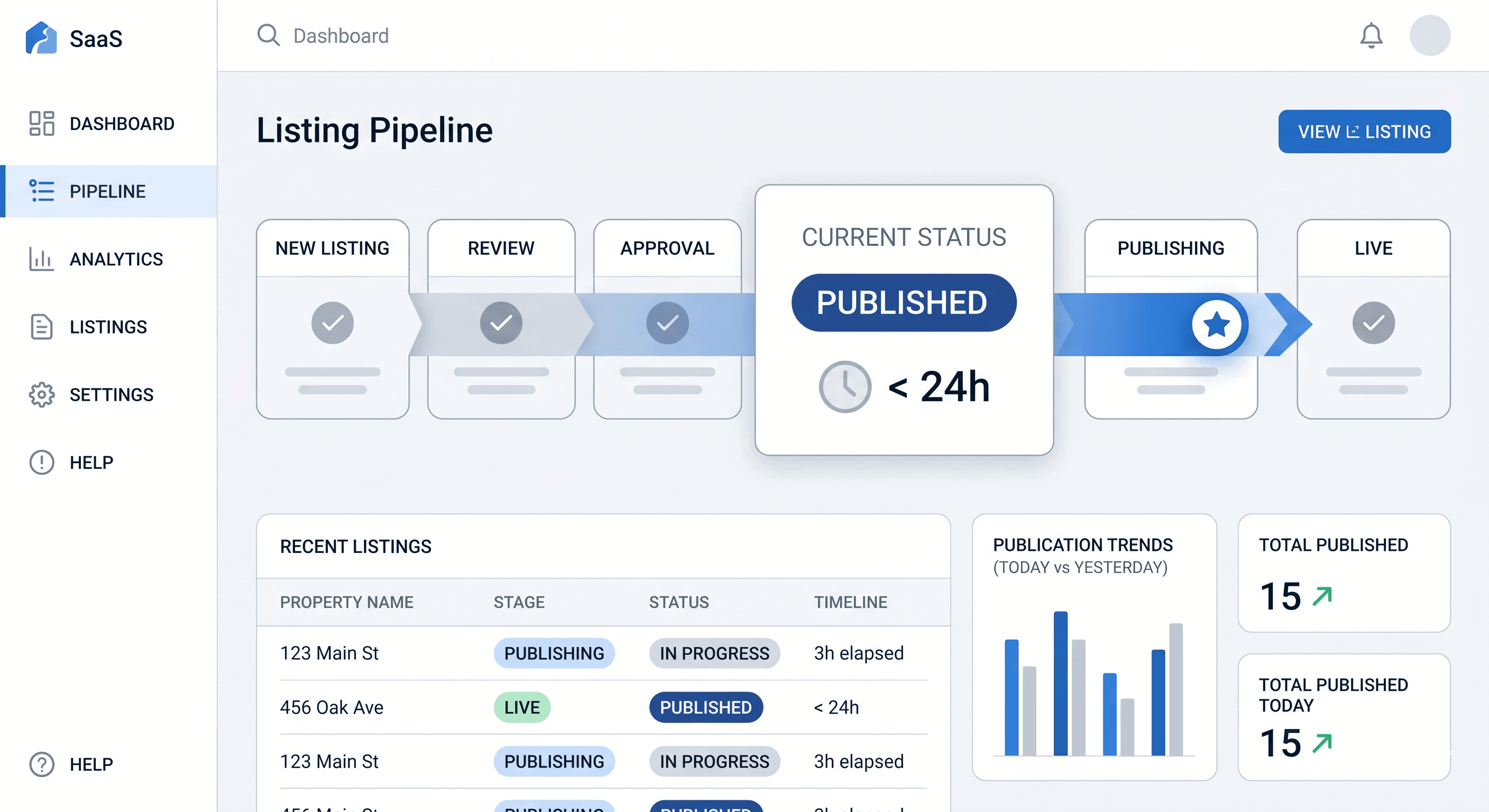
Modern desk setup symbolizing the organized workflow of a Kentucky Real Estate Virtual Assistant managing broker operations
Brokerage Operations
May 29, 2026Vicky Thakkar

Engage an Elite Kentucky Real Estate Virtual Assistant to reclaim your time.

It's not possible to run a real estate business as your own secretary. The shortage of good leads is the most frequent issue that brokers and agents face. Often the biggest challenge is in having adequate operational support.' Spending an hour manually answering routine emails, updating your CRM with contact details, or chasing down signatures is counterproductive to revenue-generating activities like prospecting, negotiating, and closing deals. NAR reports that agents typically spend over 40 hours per week working with clients or negotiating contracts, while less than one-third of that time is spent on this front. What does this mean? All that is left is lost in administrative friction. The only way for top-performing teams to achieve growth is by delegating this operational burden. By incorporating an elite Kentucky Real Estate Virtual Assistant, your workflow is transformed, eliminating backend bottlenecks and enabling consistent execution. If you want sustainable growth, leverage is essential, which begins with strategic delegation. Administrative tasks are a common practice in the early stages of building equities and real estate portfolios. However, as your transaction count rises, this DIY method becomes the exact limit that caps your growth. Given their operational capacity, most agents reached a revenue plateau as the market cooled. Inbox Overload and CRM Decay: Data integrity is the initial concern when you are solely managing the back-end project. Your CRM is prone to applying inconsistent tags, sending out useless emails, and scheduling incorrect follow-up sequences. Reflect on the recurring challenges faced by in-house brokers: Inbox overload: Managing an overload of marketing spam, title company updates, and client inquiries without any clear-cut-off time. CRM updates: Include the automatic input of lead information from Zillow, Realtor.com, or your website into Follow Up Boss or other platforms. Appointment scheduling: The endless back-and-forth ping-pong of finding a time that works for a showing or listing presentation. Follow-ups and reminders: Relying on memory or sticky notes instead of automated, sequenced task reminders. Using memory or sticky notes instead of automated task reminders is hindering your business's efficiency. This leads to inefficiency. Your time is minimized by a Kentucky Real Estate Virtual Assistant, freeing you to concentrate on tasks that will motivate you. Operational Insight: It takes three days to audit oneself. Why? What hourly rate do you have to work for (250 dollars per hour)? To perform administrative tasks like data entry or inbox organization, a daily fee of $500 is required for every two hours worked. This is not a cost, but rather rapid and efficient profitability. Hiring "help" differs significantly from establishing operational infrastructure. Generic helpers linger on instructions, while an advanced virtual assistant in real estate enters your organization and executes customary procedures (SOPs). Beyond Basic Admin: Building Structural Leverage: An elite virtual assistant operates as the central nervous system of your daily workflows. They do not just check boxes; they maintain the velocity of your pipeline. Core responsibilities executed by an elite VA include: Inbox Management: Implementing a "Zero Inbox" protocol. Your VA filters out noise, flags urgent title/escrow emails, and drafts responses for standard inquiries. You only see what requires your specific expertise. CRM Management: As the manager of your database. This will include ensuring that all contacts are current, labeled as buyers or sellers, and placed into the proper smart lists or drip campaigns. Lead Follow-Up Support: While they may not be making sales calls, they make sure nothing falls through the cracks when it comes to follow-ups by setting up your daily lead call lists and executing text or email touches prior to the call. Scheduling Coordination: Handling your schedule with pinpoint accuracy. Coordinating showings, mapping out driving routes for property visits, and coordinating schedules of multiple people to attend meetings. Administrative Support: Handling all data entry, managing document storage compliance, and tracking task completions across your project management tools. The Psychology of Speed to Lead: The MIT Lead Response Study famously highlighted that the odds of contacting a lead decrease by over 10 times in the first hour. If you are in a listing appointment when a web lead comes in, and you wait two hours to respond, that lead is likely gone. Your virtual assistant ensures immediate, systematized acknowledgment and routing of every inquiry, fundamentally protecting your marketing ROI. Pro Tip: Have your virtual assistant set up an "Urgent Triage" folder in your inbox. Configure rules so that only emails from active clients, specific brokers, and your transaction coordinator bypass the VA's filter. This reduces decision fatigue and allows you to process critical communications in minutes rather than hours. Trying to do everything yourself does not save money; it directly costs you growth. Many agents look at the hourly rate of an assistant and see an expense, failing to recognize the catastrophic invisible costs of unmanaged operations. The Attrition of the Unorganized Agent: When backend operations are neglected, the client experience degrades. A missed email from a lender could delay a closing. A delayed response to a new buyer could cost you a $15,000 commission. The compounding effect of these minor operational failures is massive. The hidden costs of avoiding delegation include: Missed follow-ups: Contacts that you’ve spent months nurturing just fall through the cracks because you forgot to follow up. Translation: You lose sales. Slow response times: Consumers now expect instant results. Any delay will give your client the impression that you don’t care about them. And guess what? They won’t tell you. You’ll simply lose the referral. Burnout: You try to juggle marketer, sales rep, and administrative manager roles. But this results in inconsistent performance and inevitable burnout. Limited scalability: You cannot add more clients to your roster if you do not have the time to service them. Your income becomes artificially capped by your administrative bandwidth. The best real estate agents know that top performers don’t succeed through hard work. They succeed through efficient work. Top performers delegate all operations/administration and focus only on selling, relationship building, and negotiating. Operational Insight: Build a "Cost of Inaction" (COI) calculator. Track how many leads you failed to follow up with last month. Multiply that by your average conversion rate and average commission. That lost revenue is exactly what refusing to hire a Kentucky Real Estate Virtual Assistant is costing you. Real estate is a hyper-local industry. National trends matter, but deals are closed based on neighborhood-level dynamics. Consequently, your operational systems must reflect the realities of your specific market. Hiring a generic offshore assistant who does not understand the nuances of the regional landscape often creates more friction than it solves. Aligning Backend Operations with Regional Workflows: A specialized Kentucky Real Estate Virtual Assistant brings contextual awareness to your operations. They are trained to understand the specific rhythms of your market, ensuring that your backend processes align with how business is actually conducted locally. A localized virtual assistant understands: Local Market Dynamics: Familiarity with geographic regions, neighborhood naming conventions, and typical property types across Louisville, Lexington, or Northern Kentucky. Regional Workflows and Expectations: Understanding the timeline of a typical Kentucky real estate transaction, from initial contract to closing, and managing expectations accordingly. MLS and Compliance Nuances: Navigating regional Multiple Listing Services (MLS) with accuracy and understanding the strict documentation compliance required by local commissions. When your VA understands the terminology and the timeline, they can proactively manage document prep and CRM updates without needing constant hand-holding. This localized context is what elevates a virtual assistant from a simple task-executor to a strategic operational partner. Pro Tip: Create a localized "Glossary of Terms" video recording for your VA. Spend 15 minutes screen-recording a map tour of your primary service areas, highlighting key neighborhoods, local terminology, and average price points. This rapidly accelerates their onboarding and contextual understanding. Transitioning from chaos to operational excellence requires the right partner. If you are ready to reclaim your schedule and operate at the level of a top 1% broker, PrimeRealOps Executive Services delivers elite virtual assistant support engineered specifically for the real estate industry. Seamless Implementation Without Disruption: The biggest fear agents have about hiring a VA is the time it takes to train them. PrimeRealOps eliminates this barrier through structured, tech-forward onboarding. We do not just hand you a resume; we integrate a trained professional directly into your business. What you get when you deploy our services: Dedicated Kentucky Real Estate Virtual Assistant Support: Highly vetted professionals who understand the real estate lifecycle. Scalable Rates: Starting from $7 - $12/hour. There is no overhead, no HR compliance risk, and no long-term contractual lock-ins. US Business Hours: Staff aligned with your specific time zone for real-time execution and immediate communication. Seamless Tech Integration: Native familiarity with industry-standard tech stacks, including Follow Up Boss, Sierra Interactive, various CRM systems, and regional MLS tools. Implementation That Actually Works: We enforce a mandatory 1-week hands-on implementation phase. During this time, we audit your current workflows, document your SOPs, and embed our virtual assistants directly into your daily operations. There is no disruption to your active deals and no steep learning curve. We build the engine while you continue to drive the car. Conclusion: Stop being the bottleneck in your own business. Growth in real estate is not about generating an infinite amount of leads; it is about building the operational capacity to service the leads you already have flawlessly. Every missed email, delayed CRM update, and forgotten follow-up is a leak in your revenue pipeline. By hiring a top-notch Kentucky Real Estate Virtual Assistant, you can shift from being an agent overwhelmed by paperwork to a business owner focused on making money. Take back your time, organize your daily tasks, and create a brokerage that can grow without exhausting you. This way, you can be in control and make your business successful without sacrificing your well-being. With a virtual assistant, you can systemize your workflows and have more time to concentrate on what really matters - generating revenue and building a thriving business. Delegate smarter. Operate faster. Close more deals. Ready to transform your operations? Explore PrimeRealOps Virtual Assistant Services today and build your scalable backend.

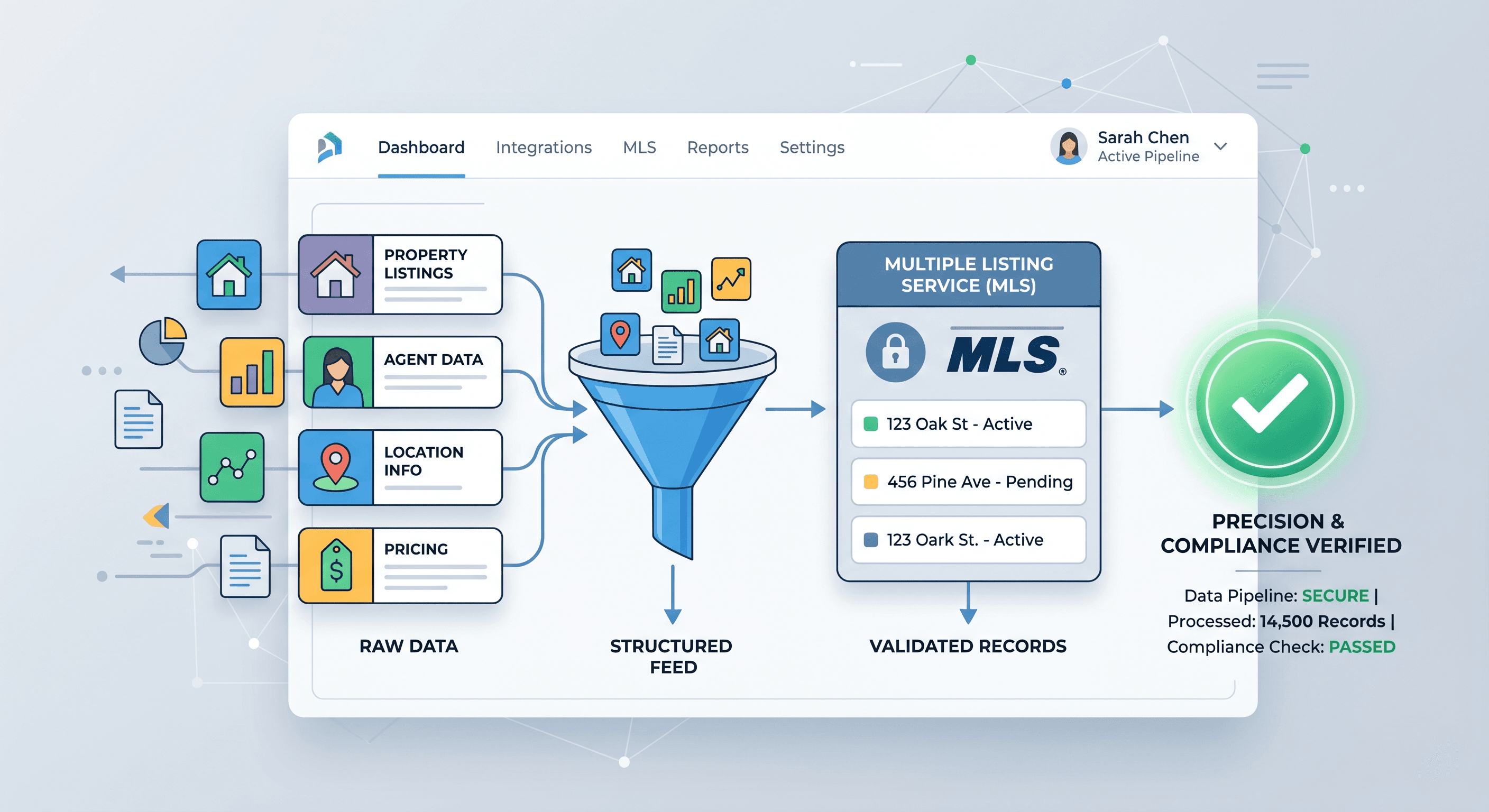
Digital dashboard showing Kentucky MLS listing compliance verification and real estate automation checklist.
Brokerage Operations
May 29, 2026Vicky Thakkar

The Ultimate Guide to Kentucky MLS Listing Compliance (And How to Automate It)

In Kentucky, there are rules that all Multiple Listing Services have to follow. This includes groups like the Greater Louisville Association of Realtors and the Lexington-Bluegrass Association of Realtors. These rules are really important because they help make sure everything is correct and fair for everyone involved - buyers, sellers, and agents. The rules are in place to keep things accurate and honest, which is good for everyone. These rules are in place to make sure everything is accurate and fair for buyers, sellers, and agents. They help keep the market honest. But for the people running the brokerage, these rules can be a real headache. They create a lot of extra work and complexity. The rules are meant to protect everyone involved, but they can also make things harder for the brokerage to operate smoothly. A lot of teams still use outdated methods for handling complex data entry, like separate email threads and static spreadsheets. This fragmented approach inherently scales risk alongside revenue. Top-performing brokerages approach this differently. They view compliance not as a reactive administrative task, but as a proactive infrastructure layer. In this guide, we dissect the framework of strict local compliance and outline exactly how to deploy automated listing infrastructure to ensure speed, accuracy, and scalable operations. The Core Pillars of MLS Oversight To operate without friction, your back-office systems must account for four primary vectors of compliance enforcement: Mandatory Disclosures: In Kentucky, there are certain things that sellers have to tell buyers about a property. This is because of state laws that require it. For example, sellers need to fill out a form called the Seller's Disclosure of Property Conditions, which is also known as KREC Form 400. They also need to give buyers a federal disclosure about lead-based paint if the property was built before 1978. Both of these documents have to be signed and attached to the property listing before it can be made active. This way, buyers have all the information they need to make a decision about whether or not to buy the property. Data Integrity and Standardization: Every field entered into the MLS must align with Real Estate Standards Organization (RESO) guidelines. Incorrect square footage sourcing, inaccurate school districts, or misclassified architectural styles degrade data quality and frequently result in immediate flags. Strict Status Timelines: Activating a listing, updating a price, or moving a property from "Active" to "Pending" operates on a ticking clock. Most Kentucky MLS boards require status changes to be executed within 24 to 48 hours of the triggering event. Fair Housing Adherence: Listing remarks are systematically scrubbed for Fair Housing violations. Language that inadvertently discriminates or references protected classes will result in severe penalties and potential legal exposure. Operational Insight: MLS compliance engines are increasingly utilizing AI-driven text analysis to scan agent remarks for Fair Housing violations prior to syndication. Relying on an agent's memory to avoid problematic phrasing is an outdated strategy; your listing workflow must include a deterministic validation layer. Even minor errors, such as missing tax IDs, inverted numbers in a zip code, or an incorrect property sub-type, can cause listings to be rejected by the MLS data compliance checkers. When your administrative team operates reactively, correcting these errors consumes bandwidth that should be directed toward revenue-generating activities. The financial impact of manual entry is highly quantifiable. According to recent real estate technology impact studies, brokerages relying on manual data entry face an average initial MLS submission error rate of 12% to 15%. Correcting a single compliance flag, whether a missing lead-based paint addendum or an invalid tax ID, consumes an average of 45 to 90 minutes of administrative bandwidth. Furthermore, the National Association of REALTORS® (NAR) reports that real estate professionals without automated back-office support lose up to 40% of their operational bandwidth to administrative and compliance-related tasks. For a high-volume brokerage processing 100+ listings a month, that error rate translates directly into hundreds of lost hours and delayed syndications. Where Traditional Workflows Break Down Most brokerages attempt to solve compliance by throwing more human capital at the problem. Administrators rely on fragmented, highly vulnerable processes: Spreadsheet Tracking: Using Excel or Google Sheets to track which documents have been signed and uploaded creates version control nightmares. Email Thread Approvals: Chasing agents for the final page of a Seller's Disclosure via email guarantees bottlenecks and lost files. Manual Data Entry: Copying and pasting property data from public tax records into the MLS without a secondary validation layer statistically guarantees a 3-5% error rate per listing. Siloed Communication: When status changes occur in the field, the delay in communicating that change to the back office directly violates MLS timeline rules. These operational gaps create compounded risk. Every time a listing is delayed by a compliance rejection, your brokerage loses credibility with the seller. Furthermore, compounding MLS fines directly impacts net margins. In elite real estate operations, manual entry is recognized for what it is: a structural vulnerability. To achieve consistent Kentucky MLS listing compliance, you must engineer a system that validates every data point before the payload is delivered to the MLS. Think of an MLS Pre-Flight Checklist as your brokerage's compliance firewall, a standardized protocol that ensures zero defects. Critical Verification Stages A high-performance Pre-Flight Checklist must standardize the following verification points: Document Verification Layer: Confirm complete execution of the Kentucky Seller's Disclosure. Verify federal Lead-Based Paint forms (if applicable based on year built). Ensure the Exclusive Right to Sell agreement is fully executed and matches the listing date. Data Field Validation Layer: Cross-reference tax ID, lot dimensions, and legal description against county property valuation administration (PVA) databases. Verify room dimensions, bedroom/bathroom counts, and HOA fee structures. Media and Asset Compliance: When taking the main photos, make sure they don't show any signs or logos from real estate companies or agents. This is important because it's against the rules of the Multiple Listing Service. We need to follow these rules, so please check the photos carefully before using them. Verify virtual staging compliance, ensuring appropriate watermarks or disclosures are present if the MLS requires them. Status and Financial Validation: Confirm the listing price matches the executed listing agreement exactly. Ensure the listing date aligns with MLS submission rules to avoid "coming soon" timeline violations. Language and Syndication Checks: Audit public remarks for Fair Housing compliance. Ensure private agent remarks contain appropriate showing instructions and lockbox details without violating security protocols. Operational Insight: Implementing a "Hard Stop" workflow is highly recommended. Do not allow a transaction coordinator or listing manager to proceed with MLS data entry until the Document Verification Layer is 100% complete. Partial entries lead to forgotten attachments. Automation replaces human guesswork with engineered precision. When you transition from a manual checklist on a clipboard to an automated, trigger-based workflow, Kentucky MLS listing compliance ceases to be a liability and becomes a background process. The Mechanics of Automated Compliance: High-growth real estate teams treat compliance as operational infrastructure. They deploy listing management software and systematic workflows that enforce standardization at every stage of the lifecycle. Zero Missed Requirements: Automated systems utilize conditional logic. If a was built in 1974, the system will stop the MLS submission until the Lead-Based Paint disclosure form has been uploaded and checked. Faster Listing Activation: When agents use special connections and standardized forms to collect information, data goes straight from the agent's first meeting to the office dashboard. This means listings can be activated on the same day, without the hassle of manual checks. Consistent Brokerage Quality: Having a consistent quality in brokerage is really important. Thanks to automation, even the newest team member can ensure that listings are flawless and accurate, just like those of experienced agents. The system checks everything to make sure it meets the standard, which means everyone's work is of high quality. This way, all listings are perfect and error-free, giving everyone confidence in the work they do. Seamless Revisions: Making changes to things like prices, status, and open houses is straightforward. We use automated systems that can update the MLS right away, so you don't have to stress about missing a deadline to make changes within a day. This way, everything can run smoothly and we can avoid mistakes. It's all about keeping things simple and efficient, and our systems help us do just that. With instant updates, we can make sure that all the information is accurate and up-to-date, which is really important for keeping everything on track. Instead of reacting to warnings from the MLS board, your team operates from a posture of confidence. Listings go live faster, errors approach absolute zero, and agents are freed from administrative friction to focus entirely on client acquisition. If you want to eliminate compliance risk and deploy true listing infrastructure without building the software stack yourself, PrimeRealOps delivers precision-engineered Listing Management explicitly designed for high-volume brokerages. We do not just provide labor; we deploy a fully mapped operational system that integrates directly into your existing environment. The PrimeRealOps Listing Management System Our infrastructure ensures absolute compliance across every Kentucky MLS board. The system includes: Built-in Fair Housing Audits: Algorithmic and human-verified scrubbing of all listing remarks. Automated Pre-Flight Checklists: Standardized workflows custom-mapped to local KREC and MLS requirements. Flawless Data Entry: Precision MLS input, optimized photo uploads, and rigorous validation workflows. Real-Time Lifecycle Management: Error-free revisions, status updates, and continuous compliance monitoring until the property closes. Simple, Scalable Pricing: Scaling your operations shouldn't require complex headcount mathematics. Our pricing is designed for linear, predictable growth: Pro Tier: $15 / listing: Fast, accurate, compliance-driven MLS input perfect for teams needing rapid deployment. Prime Tier: $39 / listing: Unlimited changes, status updates, and full-service listing management from pre-market to pending. We integrate directly into your current CRM and compliance systems. No data migration is required. You maintain control; we provide the operational engine. Conclusion: Strict MLS enforcement makes Kentucky listing compliance a structural pillar of your brokerage, not just an administrative task. Using manual data entry can lead to expensive mistakes, put your profits at risk of increasing fines, and hurt the trust of sellers for good. But the best real estate teams have found a way to make compliance work for them, not against them. They do this by creating automated checklists to review things before they happen and using the same workflows every time. This helps them stay on top of things and turn compliance into a strength that helps them grow. Optimize your back office with our Listing Management services today.

Real estate tech stack infrastructure connecting lead generation and CRM software to transaction management systems.
Transaction Ops
May 29, 2026Vicky Thakkar

How to Integrate Dotloop With a Virtual Transaction Coordinator

Key Takeaways: Integrating your CRM with your transaction systems eliminates redundant data entry and creates a resilient operational infrastructure. A strict compliance protocol protects your brokerage from liability and accelerates the contract-to-close pipeline. Deploying tactical support via a virtual coordinator allows you to scale without migrating away from your existing tech stack. Real estate agents juggle multiple tasks daily, from client meetings to paperwork and deadlines, making it easy to become overwhelmed. Between managing contracts, tracking contingency periods, and handling compliance paperwork, operational chaos inevitably leads to costly delays in closings. To replace this chaos with precision-engineered systems, you must understand exactly How to integrate Dotloop with a virtual transaction coordinator. Building Your Operational Infrastructure In the modern real estate landscape, isolated software creates friction. Real estate transaction management software 2026 demands seamless connectivity across your entire tech stack. Your transaction coordinator cannot operate at peak efficiency if they are siloed from your lead generation and CRM platforms. By linking your systems, your virtual coordinator can execute tasks instantly rather than chasing down disjointed information. This seamless data transfer is the foundation of operational excellence. Follow Up Boss to Dotloop Workflow Automation The most critical bridge in your infrastructure is your CRM-to-transaction pipeline. Setting up Follow Up Boss to the Dotloop workflow automation ensures that the moment a lead transitions to an active client, their data pushes directly into Dotloop. Your virtual transaction coordinator can immediately trigger your standardized templates and begin drafting documents. This eliminates manual data entry, reduces human error, and ensures your team acts with immediate precision. Mastering the Dotloop Compliance Checklist for Brokers 2026 Ensuring all documents are completed correctly is essential to prevent fines or compliance issues. Your virtual coordinator must act as the ultimate gatekeeper for your files. By engineering a rigid Dotloop compliance checklist for brokers 2026 directly within the platform, your coordinator can systematically audit every signature, disclosure, and addendum. This tactical approach guarantees that your files are audit-proof before they ever reach the broker's desk for final approval. Deploying Tactical Support: How to Integrate Dotloop With a Virtual Transaction Coordinator A highly effective transaction coordinator acts as the liaison between agents, clients, escrow, and lenders, ensuring all parties receive timely updates. The integration process should focus on access, not disruption. You do not need to force a software migration. Instead, provision your virtual coordinator with dedicated access to your existing Dotloop account and set up automated email forwarding for compliance notifications. This allows them to seamlessly manage deadlines, coordinate communication, and simplify scheduling for inspections and appraisals natively within your established systems. 🏗️ The PrimeRealOps Pitch: Precision-Engineered Real Estate Operations At PrimeRealOps, we are the Operating System for real estate. We do not force you to migrate to new software; we deploy tactical support that integrates directly into your existing infrastructure—whether that is Follow Up Boss, Dotloop, DocuSign, or Matrix MLS. We provide the best flat fee contract to close services in the USA. Our Transaction Ops (ProTM) tier handles full contract-to-close management for a flat $299 per transaction. Because we believe in performance-based operational excellence, if the deal falls through, you only pay a nominal $50 fee. Our Suite of Operational Upgrades: Executive Services (VAs): Elite tactical support at $5 - $10/hr operating on US Business Hours, complete with a mandatory 1-week hands-on implementation phase to ensure flawless integration. Listing Management: Rapid deployment at $12/listing for the Pro Tier and $39/listing for the Prime Tier. Submit your data by 2:00 PM EST for guaranteed same-day activation. All listings include rigorous Fair Housing compliance audits. Stop managing tasks and start running a business. Contact PrimeRealOps today to upgrade your real estate infrastructure.

Isometric 3D illustration showing the PrimeRealOps backend engine seamlessly automating data entry and compliance into Florida MLS systems and real estate CRMs.
MLS
May 29, 2026Vicky Thakkar

Florida MLS Compliance Guide: Outsource Stellar & Miami Data Entry

Key Takeaways (TL;DR) Avoid costly penalties by mastering Stellar MLS Clear Cooperation Policy 8.0 compliance and the new rules around mandatory documentation. Learn exactly how to make AI virtual staging MLS-compliant in Florida without altering permanent property features or violating strict photo guidelines. Discover how to regain your time by leveraging a Stellar MLS listing coordinator flat fee service that perfectly handles data entry and transaction ops. The True Cost of Florida MLS Non-Compliance Florida real estate agents are running on fumes. If you are working 60+ hour weeks, juggling showings, lead generation, and chaotic back-office admin, the last thing you need is a compliance violation. The fear of getting hit with a Stellar MLS $500 automatic fine, Buyer Broker Agreement violation, or a sudden photo non-compliance penalty is a constant source of stress. Florida is home to numerous MLS systems, including Stellar MLS and Miami Realtors MLS, which require precise data entry, image uploads, and strict compliance with regional rules. In 2026, the smart move is to stop playing administrative assistant and start acting like a CEO. Here is how you can systematize your operations and eliminate MLS headaches for good. Navigating the Toughest Florida MLS Rules Beating the One-Day Clock on Policy 8.0 The National Association of Realtors' Policy 8.0 dictates that any public marketing of a property triggers a strict deadline: you must input the listing into the MLS within one business day. Stellar MLS Clear Cooperation Policy 8.0 compliance means that yard signs, social media blasts, and even email flyers start the countdown immediately. Trying to manage this while rushing to list appointments leads to rushed data entry and potential fines. Mastering the Virtual Staging Rules Digital staging is a highly effective tool to sell homes faster, but MLS boards are cracking down heavily on deceptive imagery. If you are wondering how to make AI virtual staging MLS compliant in Florida, the rules are strict but clear: You must check the "Virtually Staged" field to ensure it populates correctly in the public remarks. You must add "Virtually Staged" to the caption of every modified photo. You are strictly prohibited from changing paint colors, modifying window views, or altering permanent fixtures. The Burden of Administrative Errors With the new industry changes, the paperwork burden has exploded. Failing to properly upload the required documentation can instantly trigger severe penalties. On top of that, you must meticulously manage required disclosures, Fair Housing language, and rapid status updates. This heavy administrative burden is exactly why elite teams choose to outsource Miami Realtors MLS data entry and Stellar MLS management to dedicated professionals. The PrimeRealOps Pitch: Your Real Estate Operating System When you are tired of the chaos, it is time to deploy tactical support. PrimeRealOps is the elite B2B real estate operations agency in the USA. We replace chaos with precision-engineered infrastructure, allowing you to focus purely on revenue-generating activities. Here is how our operational excellence directly impacts your bottom line: Listing Management: Eliminate compliance anxiety with our Stellar MLS listing coordinator flat fee structure. Pro Tier: $12/listing. Prime Tier: $45/listing. The Prime Guarantee: Same-day activation if data is received by 2:00 PM EST. Both tiers automatically include comprehensive Fair Housing compliance audits. Transaction Ops (ProTM): Full contract-to-close management for just $299/transaction. This is completely performance-based: you only pay $50 if the deal falls through. We handle the strict deadlines, compliance checks, and endless follow-ups. Executive Services (VAs): Need broader operational support? Our highly trained VAs range from $5 - $10/hr, depending on operations. Our staff works strict US Business Hours, and we require a mandatory 1-week hands-on implementation phase to ensure absolute perfection in your systems. Zero Migration Friction: We do not force software migration. We integrate directly into your existing tech stack, deploying seamlessly inside Follow Up Boss, Matrix MLS, DocuSign, Dotloop, and more. Stop letting administrative friction slow your growth. Reclaim your time, guarantee your compliance, and scale your operations with PrimeRealOps. Contact us today to engineer your new back-office system.

UI graphic comparing disorganized real estate data with structured, compliant MLS data entry workflows.
Listing Management
May 17, 2026Vicky Thakkar

Safely Outsource Kentucky MLS Data Entry

A single MLS error or Fair Housing violation in Kentucky can trigger fines, delays, or listing rejection. To safely outsource MLS data entry in Kentucky, you need structured workflows, compliance audits, and trained specialists. The right partner delivers speed, accuracy, and full regulatory alignment—without disrupting your existing tech stack. Introduction A single Fair Housing violation or data mismatch on a Kentucky MLS listing can result in severe fines. Here is how to guarantee 100% accuracy. When you outsource MLS data entry in Kentucky, you are not just delegating admin work—you are transferring compliance risk. Every field, photo, and remark must align with strict MLS and Fair Housing standards. Without precision-engineered systems, small errors can escalate into costly consequences. Why Accuracy Is Non-Negotiable in Kentucky MLS Listings MLS platforms operate on strict data integrity rules. Even minor inconsistencies can delay listings or trigger compliance flags. Common risk points include: Incorrect property details (square footage, zoning, disclosures) Non-compliant language violating Fair Housing guidelines Missing mandatory fields or improperly formatted media Delayed updates on price, status, or contingencies Professional listing coordination services emphasize accuracy, compliance checks, and fast MLS input to ensure listings go live smoothly and without risk. How to Safely Outsource MLS Data Entry in Kentucky 1. Standardize Your Data Intake Process Before outsourcing, ensure your internal data collection is structured. Deploy: Pre-listing checklists Mandatory document uploads Standardized property data forms This reduces back-and-forth and eliminates incomplete submissions. 2. Prioritize Fair Housing Compliance Audits Compliance is not optional—it is infrastructure. Your outsourcing partner must: Review listing remarks for prohibited language Validate disclosures and legal requirements Apply MLS-specific compliance rules Without this layer, you are exposed to fines and reputational damage. 3. Use Specialists, Not General Virtual Assistants MLS data entry is not generic admin work. It requires MLS-native expertise. Look for teams that: Understand Kentucky MLS systems Handle photo formatting and uploads correctly Monitor listings post-launch for updates and corrections This ensures operational excellence at every stage. 4. Implement a Verification Layer Before Submission Accuracy requires redundancy. Best practice workflow: Initial data entry Secondary review (QA check) Compliance validation Final submission This multi-step system prevents errors from reaching the MLS. 5. Ensure Real-Time Update Capability Listings are dynamic. Price changes, status updates, and corrections must be immediate. Your outsourcing partner should: Handle updates within hours, not days Track listing status changes proactively Maintain continuous compliance after activation The Operational Advantage of Outsourcing MLS Data Entry in Kentucky When executed correctly, outsourcing becomes a growth lever—not just a cost-saving tactic. Key benefits: Speed: Listings go live faster, increasing market visibility Accuracy: Reduced rejection rates and compliance issues Scalability: Handle more listings without operational strain Focus: Agents spend more time on revenue-generating activities In high-volume environments, this is the difference between chaos and controlled scale. The PrimeRealOps Advantage: Listing Management Built for Compliance If you want to outsource MLS data entry in Kentucky safely, you need more than a freelancer—you need operational infrastructure. What We Deploy: Listing Management (Precision Engineered) Pro Tier – $15/listing: Fast, accurate MLS input with compliance checks Prime Tier – $39/listing: Unlimited changes + full lifecycle support Built-In Safeguards Fair Housing compliance audits on every listing Structured QA workflows for zero-error submissions Same-day activation if data is received by 2:00 PM EST Operational Philosophy We integrate directly into your existing stack—no disruption, no forced migrations. Final Takeaway To successfully outsource MLS data entry in Kentucky, you need a system—not a shortcut. Accuracy, compliance, and speed must be engineered into every step. Ready to eliminate compliance risk and scale your listings with precision? Deploy PrimeRealOps Listing Management today and transform your MLS operations into a high-performance system.

Minimalist vector illustration of an automated MLS data entry and listing management dashboard for Tennessee real estate.
Listing Management
May 29, 2026Vicky Thakkar

Premier MLS Listing Input Service in TN

MLS Listing Input Service Tennessee eliminates 10+ hours/week of manual data entry. Faster, compliant listings = more visibility and quicker closings. Outsourcing MLS work lets you focus on revenue-generating activities only. Introduction Tennessee real estate moves fast. If you are spending your evenings fighting with Matrix MLS instead of closing deals, you are losing money. Every hour spent entering property details, uploading photos, and fixing compliance errors is an hour not spent prospecting or negotiating. For brokers and teams across Tennessee, this operational bottleneck is the silent revenue killer. The reality: MLS data entry is essential—but it should never be your job. Why MLS Listing Input Is Slowing You Down The MLS Listing Input Service Tennessee market exists for one reason: agents are overwhelmed with non-revenue tasks. Manual MLS work includes: Entering detailed property data across multiple fields Uploading and formatting images Writing compliant, optimized descriptions Managing status updates, price changes, and corrections Each listing can take hours. Multiply that across multiple properties, and your entire week gets consumed. According to industry workflows, even small listing errors can delay publication or reduce visibility, directly impacting buyer engagement. The Hidden Cost of DIY MLS Management Most agents underestimate the real cost of handling MLS input themselves. Lost Revenue Opportunities Every delayed listing means: Fewer early showings Reduced market momentum Slower deal cycles Compliance Risks MLS systems have strict rules. Missing fields or incorrect formatting can: Trigger listing rejections Cause compliance violations Damage your professional reputation Operational Burnout You didn’t get into real estate to do admin work at midnight. Yet many agents: Work 60+ hour weeks Miss follow-ups and leads Struggle to scale This is exactly why listing coordination services exist—to remove operational friction and restore focus. What a Premier MLS Listing Input Service Tennessee Delivers A high-performance MLS listing input service functions like backend infrastructure for your business. 1. Speed to Market Listings go live faster—often within hours, not days. 2. Accuracy & Compliance Every field is verified, every upload optimized, every listing compliant. 3. End-to-End Listing Management From data entry to updates: Initial listing input Photo uploads Description optimization Status and price changes 4. Scalability Handle 2 listings or 20 without increasing workload. As seen in professional listing coordination models, structured workflows ensure listings are accurate, compliant, and published quickly—without agent involvement. How This Transforms Your Business When you deploy an MLS Listing Input Service in Tennessee, your role shifts instantly. Instead of being an operator, you become a closer. You gain: More time for client acquisition Higher listing volume capacity Consistent, professional MLS presence This is operational leverage—the difference between staying busy and actually scaling. The PrimeRealOps Listing Management Advantage At PrimeRealOps, we don’t offer “support.” We deploy operational infrastructure. Listing Management Built for Scale Pro Tier – $12/listing Fast, accurate MLS input Compliance checks included Prime Tier – $39/listing Unlimited changes Full lifecycle listing management Execution Guarantee Submit your data by 2:00 PM EST, and your listing is live the same day. What You Actually Get MLS data entry handled with precision Photo uploads and formatting Fair Housing compliance audits Ongoing listing updates without friction We integrate directly into your existing stack—no disruption, no retraining, no inefficiencies. Final Word: Stop Operating. Start Scaling. The MLS Listing Input Service Tennessee is not a luxury—it’s a necessity for agents serious about growth. Every hour you spend on MLS is a missed opportunity to close. Let PrimeRealOps become your backend operating system. Deploy precision. Eliminate bottlenecks. Scale without burnout. 👉 Contact PrimeRealOps today and activate your listing pipeline with same-day execution.

How the NWMLS Rule 2 compliance Compass lawsuit 2026 Impacts Your Brokerage
Brokerage Operations
May 29, 2026Vicky Thakkar

NWMLS Rule 2 Compliance Guide: How the NWMLS Rule 2 compliance Compass lawsuit 2026 Impacts Your Brokerage

The NWMLS Rule 2 compliance Compass lawsuit 2026 is actively reshaping how private networks operate and aggressively enforcing transparent market practices. Learning how to navigate Washington SB 6091 public listing requirements is critical, as state-level legislative crackdowns and strict fines are officially here. You must adapt to the latest NWMLS Form 22B buyer contingency changes 2026 or risk severe contractual delays, lost earnest money, and failed closings. Washington real estate agents are operating in an incredibly high-risk environment right now. If you are working 60+ hour weeks trying to manage endless showings and follow-ups, the last thing you want is a legal headache over improper MLS data entry or a private listing violation. Between sweeping legislative changes and the fear of massive MLS non-compliance penalties, managing your back-office administration without professional infrastructure is a massive liability. In 2026, the smart money is on systematizing your business and replacing operational chaos with precision-engineered systems. ⚖️ Navigating Washington's New Legal and MLS Landscape The End of Private Listing Networks The era of the "private exclusive" is over in Washington State. The NWMLS Rule 2 compliance Compass lawsuit 2026 has firmly established that withholding inventory from the broader market violates fair competition and consumer protection laws. If you are wondering how to navigate Washington SB 6091 public listing requirements, the rule is straightforward: any property marketed to a limited group must be concurrently marketed to the general public. Failing to meet these new transparency standards can trigger severe penalties and potentially jeopardize your real estate operations. Contingency Addendum Updates Selling a property contingent on the buyer's home sale is more complex than ever. Keeping up with the NWMLS Form 22B buyer contingency changes 2026 is vital to protecting your sellers from endless delays. Form 22B heavily dictates strict timelines for the buyer to list, sell, and close on their current home. Without airtight transaction management, a missed deadline on this bump clause can collapse your entire deal instantly. The Danger of Contract Administration Errors With these intense regulatory shifts, your paperwork must be completely flawless. A single unchecked box or missed date on a standard purchase and sale agreement can expose you to major legal liability. Elite brokers now choose to outsource NWMLS data entry to avoid Form 21 contract errors and ensure that every document is thoroughly vetted before signatures are applied. Protecting your client's transactions requires absolute operational excellence. 🚀 The PrimeRealOps Pitch: Deploying Tactical Support When you are ready to eliminate compliance anxiety and administrative friction, PrimeRealOps is your ultimate real estate Operating System. We replace chaos with precision-engineered infrastructure, integrating directly into your existing tech stack (Follow Up Boss, Matrix MLS, DocuSign, Dotloop, etc.) without ever forcing software migration. Here is how our highly competent team delivers operational excellence: Listing Management: Secure your compliance against SB 6091 and NWMLS rules with guaranteed accuracy. Pro Tier: $15/listing. Prime Tier: $39/listing. We guarantee same-day activation if data is received by 2:00 PM EST, and this tier automatically includes Fair Housing compliance audits. Transaction Ops (ProTM): Secure a dedicated Washington real estate transaction coordinator flat fee for just $299/transaction. This full contract-to-close management is entirely performance-based; you pay only $50 if the deal falls through. Executive Services (VAs): Scale your infrastructure with specialized VAs for $5 - $10/hr, depending on operations. Our staff works US Business Hours and requires a mandatory 1-week hands-on implementation phase to ensure flawless deployment. Stop letting administrative friction drain your time and put your license at risk. Let PrimeRealOps deploy tactical support for your brokerage so you can dominate the Washington real estate market. Contact us today to upgrade your infrastructure. If you need additional guidance on properly managing complex bump clauses and buyer sale conditions under the current rules, this breakdown on Navigating NWMLS Form 22B for Contingent Sales offers excellent practical advice.

dashboard illustration of fast Virginia listing coordinator services and MLS activation pipelines.
Listing Management
May 29, 2026Vicky Thakkar

Virginia Listing Coordinator Services Guide

Speed wins listings: Top brokers using Listing Coordinator Services in Virginia go live on the MLS in under 24 hours. Operational leverage: Outsourcing listing tasks frees agents to focus on revenue-generating activities. Accuracy = compliance: Professional coordination ensures error-free, compliant listings every time. Getting a listing live shouldn't take two days. Learn how top Virginia brokers get their properties active on the MLS in under 24 hours. In today’s competitive market, speed is no longer a luxury—it’s infrastructure. Brokerages leveraging Listing Coordinator Services in Virginia are eliminating bottlenecks, accelerating listing activation, and creating a seamless client experience. If your team is still stuck in manual workflows, you're losing deals to faster, more systemized competitors. Why Listing Speed Is a Competitive Advantage in Virginia Time-to-market directly impacts visibility, buyer interest, and seller satisfaction. Delays in MLS activation can mean missed showings and lost momentum. A professional listing coordinator transforms your backend into a precision engine: Same-day MLS input and publishing Streamlined data collection workflows Immediate error detection and correction Faster turnaround on revisions and updates According to industry workflows, listing coordination services handle everything from data entry to compliance checks, ensuring listings are accurate, polished, and live quickly . What Listing Coordinator Services in Virginia Actually Handle Most brokers underestimate how much operational drag listing management creates. A dedicated coordinator eliminates this friction entirely. Core Functions: MLS Data Entry: Accurate input across all required fields Photo & Media Uploads: Optimized formatting for maximum impact Compliance Audits: Ensuring adherence to MLS and Fair Housing rules Listing Descriptions: Professionally written, optimized content Ongoing Updates: Price changes, status updates, and corrections Instead of juggling admin tasks, your agents stay focused on: Prospecting Showings Negotiations Closing deals The Hidden Cost of Not Using a Listing Coordinator Without structured support, listing management becomes a liability. Common breakdowns: ❌ Incomplete MLS fields → listing delays ❌ Compliance errors → fines or rejections ❌ Slow updates → outdated listing info ❌ Agent burnout → reduced productivity These inefficiencies compound quickly, especially for growing brokerages managing multiple listings simultaneously. The reality: manual systems don’t scale. How Top Virginia Brokerages Scale Efficiently High-performing teams don’t hire more agents to grow—they deploy better systems. Their playbook: Centralized listing coordination Standardized workflows Dedicated operational support Clear SLA-driven execution (same-day turnarounds) This creates operational excellence, where every listing follows a predictable, high-performance pipeline. The result? Faster MLS activation Higher listing quality Increased client satisfaction More closed deals per agent Listing Coordination as Infrastructure (Not Just Support) Think of listing coordination not as a task—but as core infrastructure. When done right, it becomes: A scaling engine for your brokerage A quality control system for your brand A speed advantage in competitive markets This is exactly how modern real estate teams are winning in Virginia. The PrimeRealOps Advantage: Precision Listing Management at Scale If you're serious about deploying Listing Coordinator Services in Virginia that actually drive results, PrimeRealOps is your operational backbone. Our Listing Management Tiers: Pro Tier – $12/listing → Fast, accurate MLS input with compliance checks Prime Tier – $39/listing → Unlimited changes + full-service listing management Performance Guarantee: Same-day activation if data is received by 2:00 PM EST What We Deliver: MLS data entry + photo uploads SEO-optimized listing descriptions Fair Housing compliance audits Real-time updates and revisions Seamless integration with your existing tech stack We don’t force you into new systems—we integrate directly into your current infrastructure (Follow Up Boss, Dotloop, MLS platforms, and more). Ready to Eliminate Listing Delays? Stop letting admin work dictate your growth ceiling. Deploy a precision-engineered system with PrimeRealOps and get your listings live faster, cleaner, and fully compliant—every single time. 👉 Scale smarter. Activate faster. Close more.

Master CRMLS Compliance: How to Register a Listing in CRMLS Listing Toolbox
RealEstate
May 29, 2026Vicky Thakkar

Master CRMLS Compliance: How to Register a Listing in CRMLS Listing Toolbox

Understanding how to register a listing in the CRMLS listing toolbox protects your brokerage from Clear Cooperation violations. Mastering the CRMLS mandatory fields checklist for new listings 2026 is critical to bypass immediate rejections and mounting compliance fines. Deploying a real estate virtual assistant for CRMLS Matrix data entry eliminates administrative bottlenecks and ensures flawless, audit-proof operations. Are you working 60+ hour weeks to keep your head above water with MLS data entry and compliance updates? The modern real estate landscape leaves zero margin for error. With increasingly strict association guidelines, a single administrative oversight can result in severe financial penalties. Brokers and agents are losing sleep over the fear of costly MLS compliance fines instead of focusing on revenue-generating activities. Without professional support, errors can lead to delayed listings, reduced visibility, and frustrated clients. It is time to replace operational chaos with precision-engineered systems. Navigating 2026 CRMLS Compliance Standards The California Regional Multiple Listing Service requires absolute precision. Entering property details accurately in MLS-required fields is challenging. To maintain operational excellence, your team must adhere strictly to the CRMLS mandatory fields checklist for new listings 2026. Here are the critical roadblocks slowing down agents today: Many agents find the MLS update process tedious and time-consuming. Uploading high-quality images and formatting them correctly takes valuable time. Maintaining up-to-date status changes and price updates requires constant monitoring. If you are dealing with an off-market or seller-excluded property, knowing how to register a listing in the CRMLS listing toolbox is non-negotiable. This tool provides the infrastructure you need to comply with the NAR Clear Cooperation Policy seamlessly. By submitting the listing as "Registered," you secure the listing contract in the system without triggering public syndication or Days on Market (DOM) counters. Bulletproofing Against Costly Violations Fines are hitting brokerages harder than ever. Understanding the CRMLS rule 7.15 buyer compensation fine appeal process is necessary if your team accidentally leaves prohibited language regarding agent compensation in open text fields. The immediate penalty for Rule 7.15 violations is a steep $2,500. Similarly, agents frequently ask how to avoid a CRMLS citation for branded photos and virtual staging. The rules are explicit: no agent names, logos, contact info, or directional text can appear on media. Furthermore, any virtual staging must be properly disclosed via compliant watermarks without altering physical property characteristics to ensure you present a true and accurate picture. Scaling Operations with Tactical Support To eliminate these risks, top-producing teams are deploying a real estate virtual assistant for CRMLS Matrix data entry. Delegating these exact workflows ensures that every required field is populated correctly, images are scrubbed of branding, and status changes are executed immediately. PrimeRealOps: Your Real Estate Operating System At PrimeRealOps, we are the Operating System for real estate. We do not force software migration; our specialists integrate directly into your existing stack—whether that is Follow Up Boss, Matrix MLS, DocuSign, or Dotloop. We offer precision-engineered solutions tailored to your operational needs: Listing Management: Deploy our tactical support for $15/listing on the Pro Tier or $39/listing on the Prime Tier. We guarantee same-day activation if data is received by 2:00 PM EST, and every listing undergoes rigorous Fair Housing compliance audits. Transaction Ops (ProTM): Secure full contract-to-close management for $299/transaction. This is completely performance-based; if the deal falls through, you only pay $50. Executive Services (VAs): Scale your infrastructure with dedicated VAs for $5 - $10/hr, depending on operations. Staff works US Business Hours, with a mandatory 1-week hands-on implementation phase to ensure absolute operational excellence. Stop losing hours to backend compliance and data entry. Contact PrimeRealOps today to engineer your ultimate workflow.